Heat-Cycle Wear
Repeated heating and cooling can shorten liner life when the material grade or thickness is not matched to the process.
Application solution
Non-stick barrier fabrics, liners and fabricated parts for repeated heat cycles, sealing pressure and demanding industrial contact surfaces.
Process context
Industrial heat-sealing processes need a reliable barrier between hot equipment surfaces and the material being sealed.
Buyer pain points
Repeated heating and cooling can shorten liner life when the material grade or thickness is not matched to the process.
Molten film or adhesive residue may stick to platens and sealing surfaces, affect…4 tokens truncated…onsistency.
Sealing pressure, sharp edges and poor alignment can create concentrated wear on fabricated liners.
Uncontrolled dimensions or material substitutions make maintenance results difficult to repeat.
Recommended material system
Specify PTFE-coated fabric, a fitted liner or a custom fabricated component according to temperature, pressure, geometry and wear conditions.
Recommended products
Compare available material formats, then send your dimensions and quantity for a tailored recommendation.
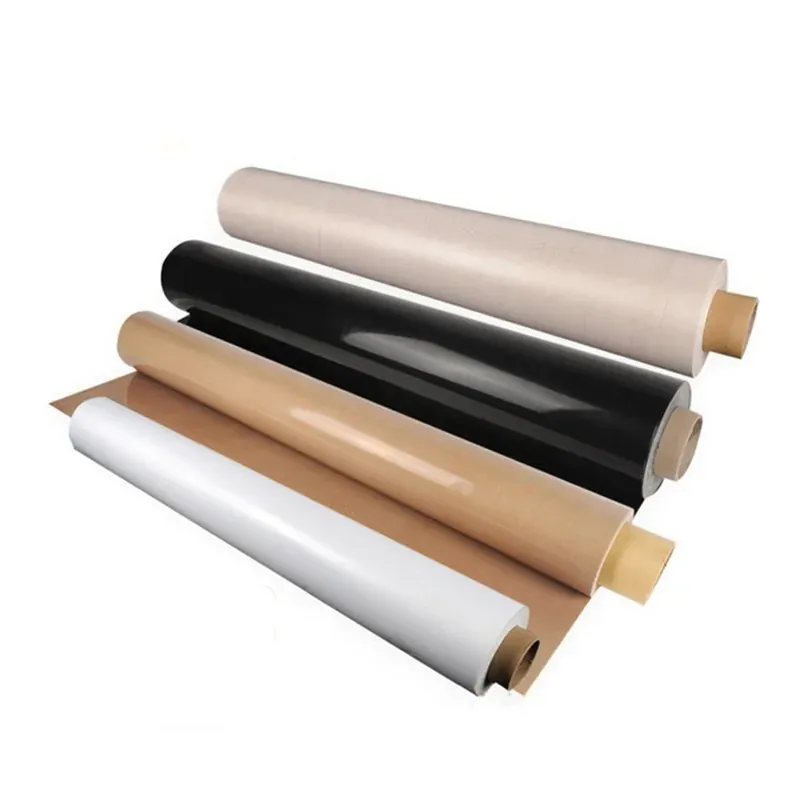
PTFE coated fiberglass fabric is a durable non-stick material for baking, food processing, packaging and industrial release applications. It is supplied in roll or sheet form with multiple thickness options and custom converting support for B2B buyers.
MaterialPTFE coating on fiberglass fabric
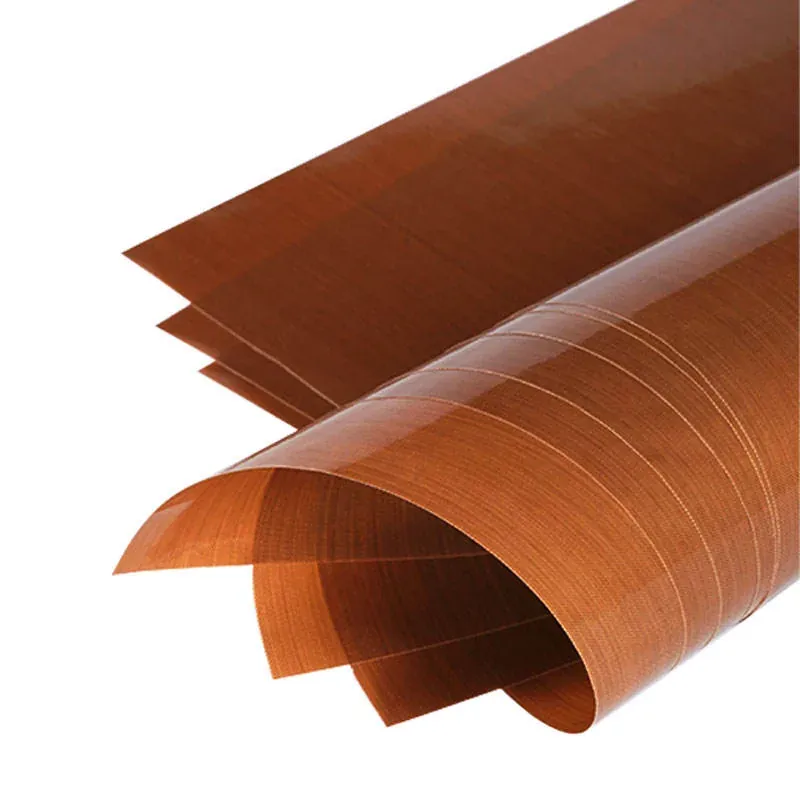
Custom non-stick liner made from PTFE coated fiberglass fabric for bakery trays, ovens, food processing equipment and industrial release surfaces. Available in sheet, roll and cut-to-size formats for B2B procurement.
MaterialPTFE coated fiberglass fabric
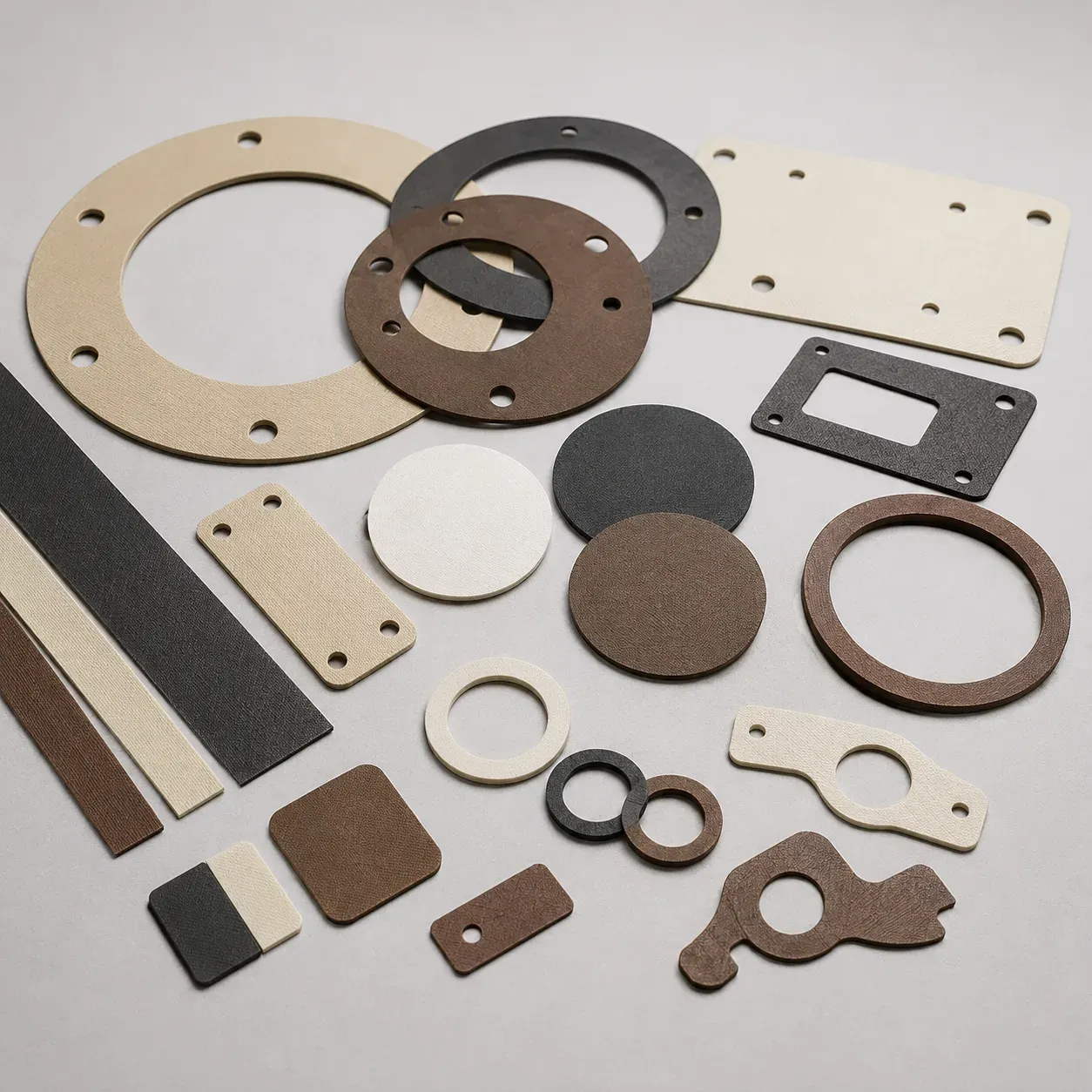
Custom cut and fabricated silicone, PTFE and coated fiberglass parts for high-temperature non-stick, sealing, lining and OEM applications.
MaterialPTFE coated fiberglass fabric, silicone coated fiberglass fabric, PTFE sheet, silicone sheet, fiberglass fabric and other high temperature non-stick materials
Material selection
| Application Need | Recommended Material | Why It Works |
|---|---|---|
| Flexible release barrier | PTFE-Coated Fiberglass Fabric | Offers a non-stick heat-resistant surface in multiple coating weights and thicknesses. |
| Replaceable sealing surface | Heat-Resistant Non-Stick Liner | Can be cut and finished for the platen, jaw or thermal contact area. |
| Complex equipment profile | Custom Fabricated PTFE Component | Supports repeatable shapes, holes and mounting details from an approved drawing. |
Commercial advantages
Reliable release at heated surfaces
Material options for different machine geometries
Custom conversion for replacement parts
OEM / ODM manufacturing
Share your process and dimensional requirements to confirm a converted material format for your production line.
Discuss a Custom RequirementBuyer questions
The working range depends on the coating, fiberglass substrate, thickness, pressure and cycle time. Provide the actual continuous and peak temperatures for selection.
Yes. PTFE-coated materials can be converted into custom shapes with holes, slots, notches and mounting features based on a drawing.
Confirm temperature, pressure, alignment, edge geometry, cleaning practice and liner thickness. Local reinforcement may help in concentrated wear areas.
Send the drawing or dimensions, operating temperature, sealing pressure, current construction, mounting method, failure mode and required quantity.
Start your RFQ
Share dimensions, process conditions, quantity and any drawing or packaging requirement. Our team will recommend an appropriate material starting point.